


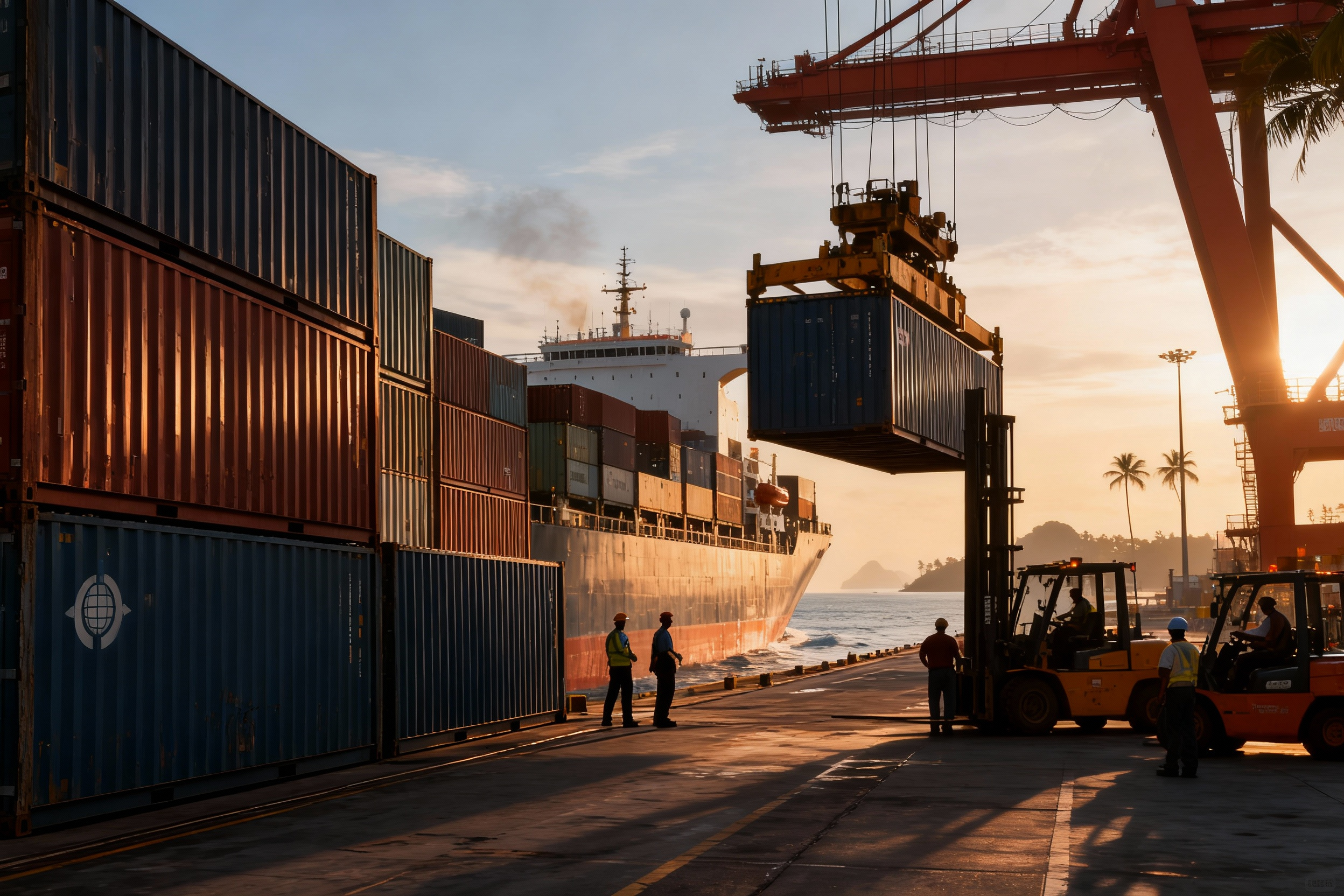
Peak Season Shipping Indonesia: Strategies for November to New Year – The logistics landscape in late 2025 is volatile. Indonesian exporters are currently navigating a complex mix of high demand and operational hurdles. As we move through November and approach the new year, the pressure on supply chains intensifies. Success during this period requires a strategic approach to peak season shipping Indonesia.
We are seeing a unique set of challenges this season. Global capacity is tight on specific routes, and weather conditions in the archipelago are unpredictable.
Navigating Peak Season Shipping Indonesia
The period from November 2025 through February 2026 presents a “perfect storm” for logistics. We are dealing with the traditional holiday rush, but there are new factors at play this year. The global shipping market has split into tiers. While some trade lanes are soft, intra-Asian routes and connections to the US are critically congested.
This congestion directly impacts peak season shipping Indonesia. Feeder vessels that connect Jakarta, Surabaya, and Semarang to major hubs like Singapore are in short supply. Cargo is often left waiting at the terminal because the connecting ships are full or off-schedule. These structural issues mean that delays are almost guaranteed if you do not plan ahead.
1. The Feeder Vessel Bottleneck
Most Indonesian exports do not travel directly to their final destination. They rely on smaller feeder vessels to reach transshipment hubs. Right now, there is a severe shortage of space on these feeders.
Congestion at major hubs like Singapore is causing delays. Feeder vessels are stuck waiting to unload, which means they cannot return to Indonesian ports on time to pick up your goods. You might have a booking confirmation, but if the feeder is delayed, your cargo stays on the dock. This “rolled cargo” phenomenon is widespread this season.
We recommend booking at least four weeks in advance. Do not rely on spot bookings. If you have urgent shipments, consider moving cargo via air freight or utilizing less congested secondary ports if possible. The best way to avoid congestion problem is using Sejati Cargo’s services.
2. Managing Reciprocal Tariffs
Trade relations between Indonesia and the United States have shifted in 2025. The introduction of reciprocal tariffs, settled at approximately 19 percent for various goods, has changed buyer behavior.
- Early Orders: US buyers are placing orders earlier to secure landed costs before any potential future policy changes. This has front-loaded demand, creating a surge in volumes that began well before the traditional peak.
- Documentation: US Customs is scrutinizing documents more closely than ever. A mismatch in your HS Code or Certificate of Origin can lead to your container being held at the destination port. These shipping delays can be costly. You must ensure your paperwork is flawless before the container is sealed.
3. The Monsoon Factor: Protecting Your Cargo
The peak shipping season coincides with Indonesia’s rainy season. From November to March, heavy rains pose a physical threat to your cargo. This is not just about getting wet; it is about humidity.
- Container Rain: When you load a container in humid Indonesia and ship it to a cold winter climate in Europe or the US, moisture condenses. It literally rains inside the container. This ruins furniture, textiles, and agricultural products.
- The Fix: You must use high-quality desiccants. Calcium chloride poles are more effective than standard silica gel. We also advise using cardboard lining to absorb excess moisture.
- Road Access: The Pantura Highway often floods during December and January. This creates major trucking bottlenecks between Central Java factories and the ports in Semarang or Surabaya. You need to build extra buffer time into your trucking schedule to account for these potential road closures.
Protect your goods from moisture damage and road delays by using Sejati Cargo’s specialized packing solutions and route planning
4. The Chinese New Year 2026 Deadline
The Year of the Horse begins on February 17, 2026. While this date seems far off, its impact on logistics starts in mid-January.
- The Shutdown: Factories in China close for weeks. Global shipping lines cancel sailings (blank sailings) because there is no cargo coming out of China. This reduces the total number of vessels available for Indonesian exporters as well.
- The Rush: Everyone tries to ship their goods before the shutdown. This causes a massive spike in rates and a shortage of empty containers.
- The Cut-off: Treat January 15, 2026, as your hard deadline. Any cargo not on the water by this date risks being stuck until March. You want to avoid paying storage fees for a container sitting in a transshipment hub for six weeks.
5. Smart Freight Solutions for Small Shippers
If you are a smaller exporter, you face higher risks. You might not have the volume to command priority space from shipping lines. This is where consolidation becomes your best tool.
- LCL Strategies: Less than Container Load (LCL) allows you to ship smaller quantities frequently. You do not need to wait to fill a 40 ft container. This keeps your cash flow moving and reduces your inventory risk.
- Air-Sea Hybrid: If ocean freight is too slow but air freight is too expensive, look for hybrid freight solutions. Shipping by sea to a hub like Dubai and then by air to Europe can save time without breaking the budget.
- Buffer Stocks: Advise your buyers to hold a slightly larger inventory buffer. The unpredictability of the current market means “Just-in-Time” delivery is dangerous. A safety stock ensures they do not run out of product if a vessel is delayed.
6. Diversifying Your Routing
Putting all your cargo on one route is risky. We suggest splitting your shipments if possible.
- West Coast vs. East Coast: For US shipments, use a mix of services. Send some cargo to the West Coast and some to the East Coast. If one coast experiences congestion or labor strikes, your other shipments will still get through.
- Transshipment Alternatives: If Singapore is clogged, ask your logistics provider about routing via other hubs like Port Klang or Tanjung Pelepas. Flexible routing is one of the most effective freight solutions available today. Consult Sejati Cargo for flexible routing options that keep your supply chain moving despite global congestion
Partnering with Sejati Cargo
We understand that these challenges can feel overwhelming. Managing production is hard enough without worrying about whether your truck will get stuck in a flood or if your container will be rolled. This is where Sejati Cargo steps in. We act as your logistics partner, handling the complexities so you can focus on your business.
We have a strong local presence with offices in Bali, Surabaya, and Medan. This allows us to manage operations on the ground, not just from a computer screen. We know which roads flood and which terminals are congested. We can reroute your trucking to avoid shipping delays before they happen.
Sejati Cargo specializes in LCL consolidation. This is perfect for furniture, handicraft, and garment exporters who need regular, reliable shipments without filling a full container. If you export essential oils or other sensitive materials, our team handles the complex UN packaging and dangerous goods declarations to ensure compliance.
We handle all documentation. Our team ensures your HS codes match the latest regulations, protecting you from fines and delays at the destination. Let us help you manage your peak season shipping Indonesia. Contact Sejati Cargo today to secure your space and keep your business moving forward.