


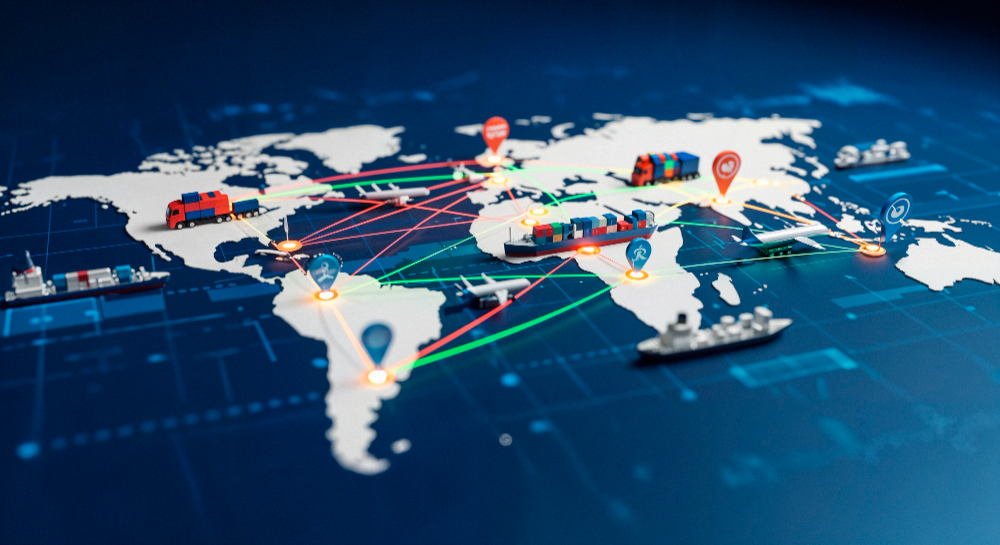
From Local Craft to Global Distribution: The Business Shift – Bali is famous for its artistry. For years, beautiful Indonesian items stayed within local markets or were bought sporadically by tourists. But the world has changed. The internet has erased borders, and suddenly, a small workshop in Ubud has the potential to sell to a boutique in New York or a home decor enthusiast in London. However, moving from a local shop to an international brand requires more than just talent. It requires a solid global distribution strategy.
This shift is the dream for many local business owners. It is the transition from waiting for customers to walk in to actively sending your products out to the world. It is exciting, but it also brings new challenges. You are no longer just an artist; you are an exporter. You have to think about volume, consistency, and timelines. This article will guide you through the essential steps of transforming your local operation into a global contender, ensuring sustainable export business growth for years to come.
Global Distribution Strategy: From Maker to Manager
The first step in this transformation happens in the mind. When you sell locally, you can explain imperfections to a customer face-to-face. You can fix things on the spot. In the global market, you do not have that luxury. Your product represents you when you are not there. This means your focus must shift from pure creation to management and systems.
Can you produce 100 items that look exactly the same as the sample you sent? If a large order comes in, do you have the raw materials ready? This is where many businesses stumble. They get the order but fail to deliver on time because they treated the international deal like a local one. A successful global distribution strategy anticipates demand. It plans weeks or months ahead. This shift in perspective is the foundation of export business growth. It prepares you for the rigorous demands of international trade.
Standardization is Key to Credibility
International buyers value consistency above almost everything else. If they order a batch of rattan chairs, they expect every chair to have the same finish, the same dimensions, and the same quality. In a local market, “unique variations” are charming. In a mass distribution context, they can be seen as defects.
You must implement strict quality control standards before you ever pack a box. This might mean training your staff more rigorously or sourcing better tools. It definitely means inspecting every single item before it leaves your workshop. When a buyer in Europe opens a shipment and finds everything perfect, they trust you. That trust translates into repeat orders. It turns a one-time sale into a long-term partnership. Standardization does not mean losing the handmade touch; it means ensuring that the handmade touch meets a professional standard.
Navigating the Logistics Landscape
Once your product is ready, the physical challenge begins. How do you get fragile ceramics or heavy wood from an island in Indonesia to a warehouse in Germany? This is where many creatives feel overwhelmed. The logistics of global trade involve complex routes, various transport modes, and strict timelines.
You need to decide between air freight and sea freight. Air freight is fast but expensive, ideal for high-value, lightweight items like jewellery or fashion samples. Sea freight is slower but much more cost-effective for bulkier items like furniture or large stone carvings. A smart business often uses a mix of both. You might air freight a small initial stock to catch a trend, while the bulk of your order travels by sea. Understanding these options allows you to price your products competitively. If you spend too much on shipping, your final price might be too high for the international market.
The Role of Digital Presence
Your distribution strategy is useless if no one knows you exist. In the past, you needed to attend expensive trade shows in Milan or High Point to find buyers. Today, your digital shopfront is your trade show booth. A professional website and active social media channels are non-negotiable.
Buyers often research suppliers online before making contact. They look for high-quality photos, clear product descriptions, and evidence of your production capacity, want to see your workshop and they want to see the faces behind the products. This transparency builds confidence. It shows that you are a real business, not just a middleman. By investing in your digital presence, you fuel your export business growth by attracting inbound leads. You make it easy for the world to find you.
Sustainability as a Selling Point
Modern consumers are asking hard questions. They want to know if the wood is legally sourced. They want to know if the artisans are paid fairly. In the global market, sustainability is not just a buzzword; it is a requirement for entry into many high-end retailers.
Indonesia has a natural advantage here. Many local crafts use natural, biodegradable materials. If you can certify your materials and prove your ethical labour practices, you gain a massive competitive edge. You should highlight these aspects in your marketing. Tell the story of the materials. Explain the traditional techniques. This narrative adds value to your product. It justifies a higher price point and appeals to the conscious consumer in Western markets.
Understanding Volume and Inventory
Going global means dealing with volume. You might be used to selling one item at a time. A distributor might want to buy in pallets or containers. This changes your cash flow and your storage needs. You need to have enough capital to buy materials for a large order before you get paid.
You also need to understand the concept of “Minimum Order Quantity” (MOQ). This is the smallest amount of stock you are willing to produce for a custom order. Setting the right MOQ protects you. It ensures that the effort of setting up production is worth the financial return. It is a balancing act. If your MOQ is too high, you might scare away new buyers. If it is too low, you might lose money on production costs. Finding this balance is a crucial part of your business strategy.
Partnering for Success with Sejati Cargo
The most intimidating part of this shift is often the paperwork and the shipping process itself. You might look at a customs declaration form and feel lost. You might worry about fumigation certificates or insurance. This is normal. Your expertise is in creating, not in freight forwarding.
At Sejati Cargo, we exist to handle this exact burden. We act as your external logistics department, understand the specific needs of Indonesian exporters, from Bali to Medan, know that your goods are valuable and often fragile. We offer professional packing services to ensure your items survive the journey across the ocean.
By focusing on these business pillars, you build a foundation for lasting success. With a partner like Sejati Cargo handling the logistics, you can focus on what you do best: creating products that the world will love. A well-executed global distribution strategy is the bridge between your workshop and the global market. Start building that bridge today.