


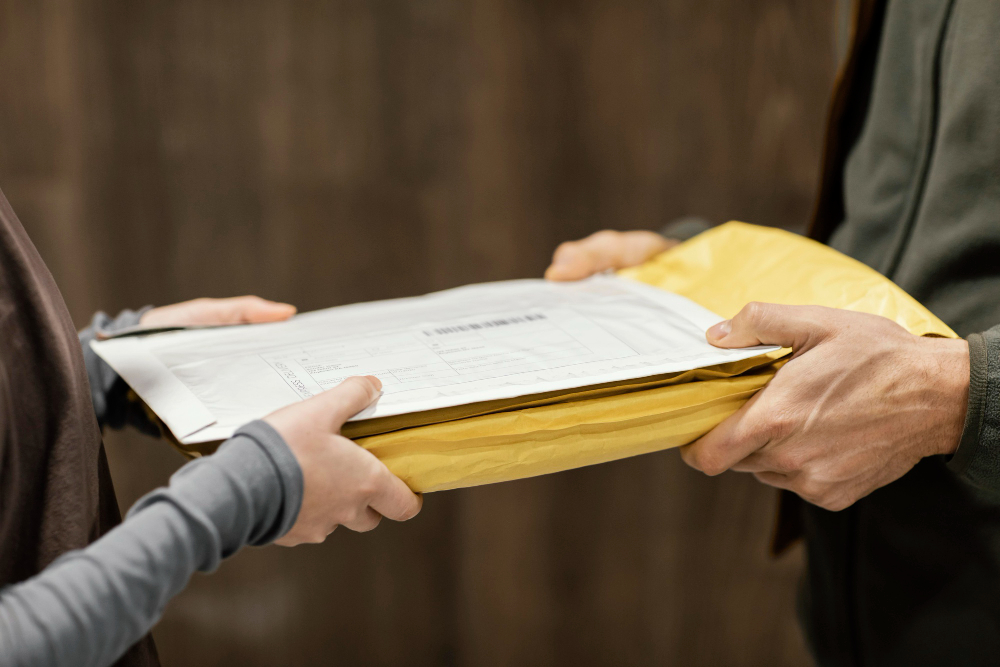
Export Documents You Need Before Shipping Out from Every Country – Sending products across the ocean requires much more than just a strong cardboard box. You have to prove exactly what is inside that box using your export documents. Industry data reveals that 80% of all customs delays happen because of missing or incorrect paperwork, not physical port congestion. Missing just one signature keeps your commercial cargo trapped at the terminal.
A simple paperwork error adds an average of three to five extra days to your transit timeline. During this delay, shipping lines and ports charge demurrage fees that easily reach $150 to $300 per container every single day. These hidden storage fees destroy your profit margins before your goods even reach the buyer. Meeting international shipping requirements requires absolute precision from your logistics team.
We want to show you exactly which paperwork you need to prepare today. Proper administration keeps your supply chain moving fast and prevents these expensive daily penalties. It also builds strong trust with your foreign buyers who expect timely deliveries without any surprise border delays.
Why Export Documents Make or Break Your Supply Chain
Customs officers use your paperwork to decide if your goods are safe and legal. They do not open every single container to look at the physical products inside. They rely entirely on your written export documents to assess the risk and calculate the taxes. If the numbers do not match perfectly, they immediately quarantine the shipment.
A quarantined container sits in a holding area while you pay a daily fee. You lose money every single day until you fix the administrative error. Your foreign buyer also gets very frustrated waiting for their delayed inventory. Good paperwork is the only way to avoid this expensive and embarrassing delay.
Understanding International Shipping Requirements for Customs
Border agents need to know the true value and the origin of your goods. They enforce international shipping requirements to collect import duties fairly. Your paperwork must clearly state who is buying the goods and who is selling them. This paper trail proves that your business transaction is completely legitimate and legal.
Every destination country has its own specific set of international shipping requirements. What works for shipping to Europe might not work for shipping to Australia. You must research the local rules of your buyer before the ship leaves the dock. Failing to understand these rules is the fastest way to ruin a good business deal.
Commercial Invoice and Packing List Essentials
A commercial invoice acts as the primary bill of sale for your international transaction. It lists the exact price your buyer paid and describes the products clearly. Customs officials use this specific paper to calculate the correct import taxes. You must include the correct Harmonized System code for every single item on the invoice.
The packing list tells the port workers exactly what is inside every single box. It shows the total weight, the box dimensions, and the packaging materials used. It never shows the price of the goods. A highly accurate packing list helps border agents inspect your cargo quickly and safely.
Certificate of Origin and Proof of Manufacture
Some countries give tax breaks to products made in specific friendly nations. A Certificate of Origin proves exactly where your commercial goods were manufactured. Your local chamber of commerce usually signs and stamps this paper to verify your claim. It stops companies from lying about where their products actually come from.
If your buyer wants a lower tax rate, they need this certificate immediately. Without it, the foreign customs office will charge the highest tax rate possible. You want to provide this proof so your buyer saves money on their end. A happy buyer is much more likely to order from your company again.
Bill of Lading and Transport Contracts
The Bill of Lading is a legal receipt issued by the ocean carrier. It proves that the shipping company received your goods in perfect condition. It also serves as the official contract between you and the transport provider. The person holding the original Bill of Lading actually owns the cargo inside the container.
You must send this receipt to your foreign buyer safely and quickly. They need the original copy to claim the container when it arrives at their local port. If this paper gets lost in the mail, your cargo stays stuck at the terminal. You should treat this paper like actual cash because it holds the same value.
Meeting International Shipping Requirements for Regulated Goods
Some products carry dangerous pests or diseases that harm foreign environments. Agricultural items and raw wood face very strict international shipping requirements globally. You must prove your goods are clean and safe before they cross any border. You do this by hiring inspectors to check your cargo before the doors close.
Phytosanitary Certificates for Agricultural Products
Foreign governments want to keep foreign bugs and plant diseases out of their countries. A phytosanitary certificate proves your coffee beans or fresh fruits are completely healthy. A government inspector must check your cargo and issue this paper before departure. They look for mold, insects, and any signs of plant sickness.
You cannot skip this step if you sell organic or agricultural goods overseas. Customs will simply destroy your expensive food products if you arrive without this certificate. They do not negotiate when it comes to protecting their local farming industry. You must secure this inspection early to avoid missing your scheduled ship.
Fumigation Certificates for Wooden Pallets
Raw wood pallets sometimes hide tiny insects deep inside the grain. These bugs destroy local forests if they escape into a new country. You must treat your wooden pallets with heat or safe chemicals before using them. A fumigation certificate proves you followed these strict international shipping requirements perfectly.
Customs agents look for a special wheat stamp on the side of your wooden pallets. They also read your certificate to verify the date of the wood treatment. If your pallets are not treated, they will burn the pallets or send the container back. Using treated wood or plastic pallets is the easiest way to prevent this massive problem.
Take Control of Your Export Documents With Sejati Cargo
Managing all this paperwork takes your focus away from growing your core business. You have to study different foreign laws and chase down local inspectors every week. A single spelling mistake on an invoice ruins your entire delivery schedule. You need a reliable logistics team to handle these complex administrative tasks for you.
We check every single line of your commercial paperwork before the ship departs. Our team knows exactly what foreign customs officers look for during an inspection. We ensure your business complies with all current trade laws and border regulations. We protect your commercial shipments from expensive delays and unnecessary border friction.
We have handled complex cargo operations from Bali, Surabaya, and Medan since 1995. We guide our clients through the paperwork process with clear and honest communication. Do not let bad paperwork stall your international business growth this year.
You need perfect export documents to succeed in the global market today. Reach out to our team in Bali at wa.me/628113896500 to discuss your current logistics needs. You can also visit our main office at Sunset Road, Jl. Beji Ayu No. 1, Seminyak, Kuta, or check out sejaticargo.com. We are ready to help you organize your shipments and secure your global supply chain.