


Understanding the Tourism Trade Linkage in Global Markets – Many people view tourism simply as a vacation industry. They see it as hotels, restaurants, and guided tours. However, there is a deeper economic value that often goes unnoticed. Popular travel destinations act as massive showrooms for local products. When international visitors fall in love with local culture, they want to bring a piece of it home. This connection creates a powerful dynamic known as the tourism trade linkage. It turns holiday memories into tangible business opportunities for local artisans.
This phenomenon explains why regions famous for hospitality often become trade hubs. A traveller might buy a single handmade chair during a trip. Later, that same traveller might order ten more for a business back home. This transition from casual shopping to commercial importing drives the growth of local industries and connects remote artisans to the world.
The Mechanics of the Tourism Trade Linkage
The relationship between tourism and trade is direct. It starts with exposure and ends with logistics. Here is how tourism-driven regions evolve to support a thriving export market.
1. The Living Showroom Effect
Retail stores spend millions on advertising to reach customers. Tourism regions do this naturally. Every hotel room, restaurant, and beach club serves as a showroom for local design. Visitors interact with products in a relaxed environment. They touch the furniture, wear the fabrics, and taste the local spices. This direct experience builds trust in the quality of the goods.
When these visitors return home, they often look for ways to purchase these items again. This demand creates a natural entry point for the export economy. Small businesses that started by selling souvenirs suddenly find themselves fulfilling international orders. The authentic experience of the product during the trip is what drives this initial demand.
2. Infrastructure Benefits Everyone
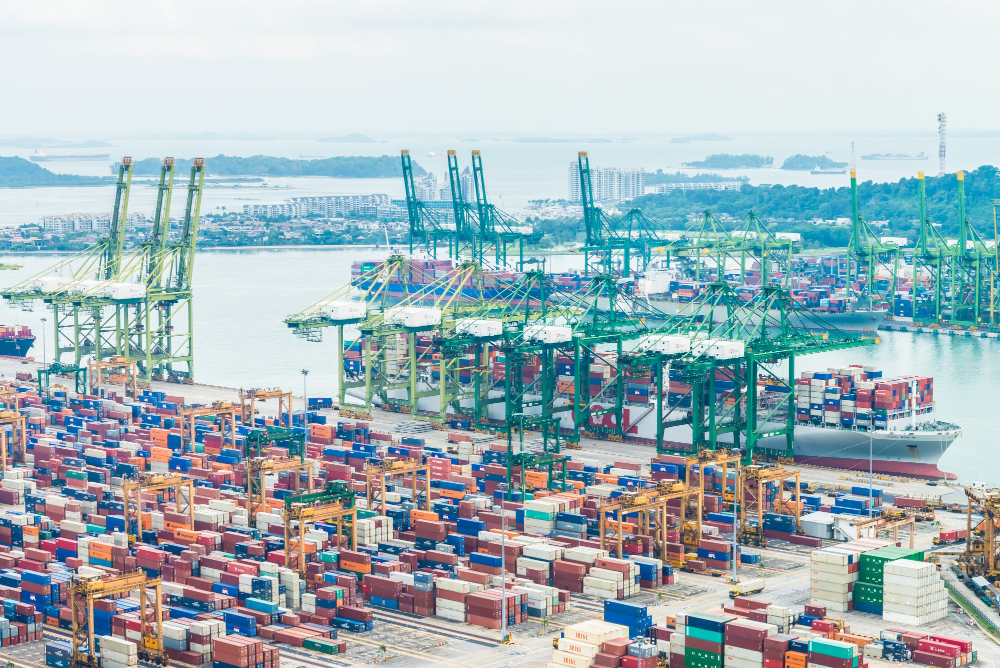
Tourism requires good infrastructure to succeed. Governments build better roads, larger airports, and reliable power grids to keep visitors happy. This infrastructure is exactly what trade businesses need too. A port expanded for cruise ships can also handle cargo vessels. An airport designed for heavy passenger traffic has the capacity for air freight.
This shared utility lowers the cost of logistics. It makes it easier for goods to leave the country. Without the initial push from tourism, many regions would not have the connectivity required for global trade. The tourism trade linkage ensures that the physical pathways for exporting goods are already in place and well-maintained.
3. Elevating Quality Standards
International tourists have high expectations. They expect durability, safety, and high-quality finishings. Local producers must raise their standards to meet these demands. A wood carver selling to a luxury resort has to ensure the wood is properly treated and finished. This creates a culture of quality across the region.
Once a region establishes a reputation for quality, it becomes easier to export. Foreign buyers feel confident sourcing products from these areas. They know the artisans are used to meeting international standards. This adherence to quality helps the local export economy mature faster than it would in a non-tourism region.
4. The Role of Digital Exposure
Tourists share their experiences online. They post photos of their hotel interiors, their outfits, and their meals. This user-generated content acts as free marketing for local products. A photo of a unique rattan bag can go viral and spark interest from buyers thousands of miles away.
This digital visibility accelerates the tourism trade linkage. It allows local brands to skip traditional middlemen and connect directly with global consumers. The demand often comes before the business is even ready to export. It pushes local producers to learn about shipping and international trade quickly to capitalise on the interest.
5. Cultural Branding and Identity
Products from tourism regions carry a story. A buyer isn’t just purchasing a table; they are purchasing a piece of the destination’s lifestyle. This emotional connection allows sellers to command better prices. It distinguishes their goods from mass-produced items made in factories elsewhere.
This strong cultural branding is a key asset. It protects local industries from being easily copied. The unique materials and traditional techniques used in tourism hotspots become their competitive advantage. This distinct identity is vital for a sustained export economy that relies on value rather than just low-volume pricing.
6. Networking and Business Relationships
Tourists are not just families on holiday. Many are business owners, designers, and sourcing agents scouting for new ideas. A casual conversation in an art market can lead to a long-term supply contract. These face-to-face interactions are rare in the modern digital world.
These organic connections are the foundation of many trade deals. They happen naturally in tourism hubs. The relaxed atmosphere makes it easier to build relationships. These relationships often turn into consistent export partnerships that last for years. It proves that personal connection is still a major driver of international business.
7. Sustainability and Ethical Sourcing
Modern travellers care about sustainability. They prefer eco-friendly materials and fair labour practices. This preference influences local production methods. Artisans shift toward using recycled materials or natural dyes to appeal to eco-conscious visitors.
This shift aligns perfectly with global trade trends. International markets are increasingly demanding sustainable products. Tourism-driven regions are often ahead of the curve because they have been catering to these demands for years. This alignment makes their products highly attractive to major retailers abroad who are under pressure to source ethically.
Simplifying Global Logistics
Understanding the potential is the first step. The next step is execution. Moving goods across borders involves complex regulations, but it does not have to be difficult for you. At Sejati Cargo, we specialise in bridging the gap between local creators and the global market. We understand the specific needs of businesses growing out of the tourism sector.
We handle the entire logistics process. This includes picking up your goods, ensuring they are packed securely, and managing all transport arrangements. You do not need to worry about booking containers or finding air freight space. We utilise our network to find the most efficient route for your shipment.
Documentation is often the biggest hurdle for exporters. We take that burden off your shoulders. We manage all necessary paperwork, including certificates of origin, fumigation for wood products, and customs clearance documents. Our team ensures that every form is correct so your shipment moves without delay.
We Support Your Growth
Your business might start with a single sale to a tourist, but it has the potential to reach the world. We are here to support that journey. We offer services tailored to the export economy, such as Less than Container Load (LCL) consolidation. This allows you to ship smaller quantities affordably without waiting to fill a whole container.
We also provide door-to-door services. This means we take care of the delivery all the way to your customer’s destination. It allows you to offer a professional delivery experience without needing your own logistics department. We act as your external shipping division.
Sejati Cargo is ready to assist your tourism trade linkage. We have the expertise and the network to handle your shipments with care and precision. You focus on creating products that capture the spirit of your region. We will handle the rest. Contact us to learn how we can help your business expand beyond local borders. Let’s work together to bring your local craftsmanship to the global market.