


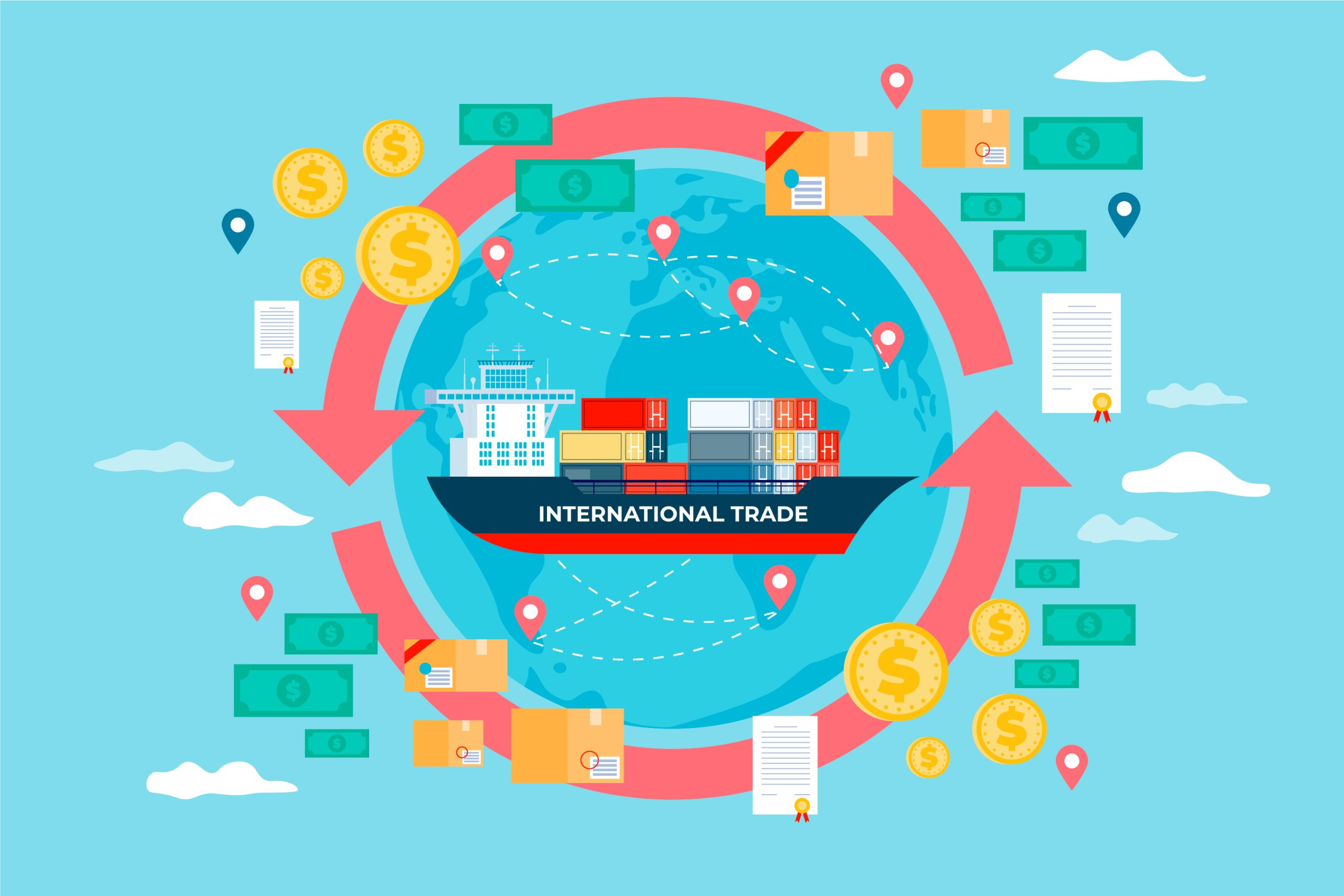
How Geopolitical Tensions Are Shaking Up the Global Shipping Market – What is happening to the global shipping market right now is that the world is facing a lot of political stress. This tension directly shapes the global shipping market because when countries argue or fight, trade routes become highly unpredictable. You might not see the conflict firsthand, but you will definitely feel it in your supply chain.
Things are changing faster than they did a decade ago. A border dispute on one side of the world quickly delays a commercial cargo ship on the other side. You end up paying more and waiting longer for your inventory. It is a cascading domino effect that hits every modern business.
How Does the Geopolitical Impact on Logistics Affect Daily Operations?
It forces cargo ships to take longer and alternative routes. When key waterways become unsafe, shipping companies redirect their vessels to protect their crews and valuable cargo. This sudden change is the main geopolitical impact on logistics today. It creates a massive ripple effect across the entire freight industry.
The UN Trade and Development (UNCTAD) closely tracks these global changes. Their reports show that avoiding conflict zones adds thousands of miles to a standard journey. Longer trips require more fuel and keep containers tied up at sea for weeks. This drastically reduces the available cargo space worldwide.
You will notice this when you try to book space on a vessel. A shipping route that used to take three weeks might now take five weeks. This geopolitical impact on logistics makes planning your warehouse inventory much harder. You have to order earlier and hold more safety stock.
What Are the Main Causes of an International Trade Disruption Today?
Wars, political sanctions, and sea blockades are the main culprits. These events physically block commercial ships from passing through important canals and straits. When a major artery closes, a severe international trade disruption happens almost overnight. The entire logistics system has to adjust quickly to survive.
Sanctions also dictate who can buy or sell certain essential goods. If a nation is prohibited from exporting crude oil or machine parts, companies must secure new suppliers quickly. This scrambles existing trade agreements and forces businesses to map out completely new supply chains from scratch.
These sudden shifts create a lot of market fear and panic. Shippers raise their prices to cover the new financial risks they are taking. Experiencing an international trade disruption means you have to deal with sudden price spikes and very unreliable delivery windows.
5 Ways Global Conflicts Change the Rules of Freight
Let us look at exactly how these political tensions change the way we move goods locally and globally. Here are five direct impacts you need to know to stay ahead.
1. Why do ships change their normal routes?
Safety is always the number one priority for any shipping line. If a sea route becomes an active conflict zone, ships will sail entirely around a continent to avoid it. This detour easily adds weeks to the total transit time and burns extra fuel.
2. How do limited spaces affect your cargo?
When ships spend more time sailing, they spend less time loading new cargo at ports. Containers get stuck on the water instead of returning to the terminal. This causes a severe shortage of available empty boxes for your goods.
3. Why are shipping rates so unpredictable?
Uncertainty always makes prices go up in the freight industry. Shipping lines have to pay much higher insurance premiums to enter risky waters. They pass these extra costs directly to you. This makes the global shipping market very expensive during any international crisis.
4. How does this hurt supply chain stability?
A delayed ship in Europe means an empty port in Asia a few weeks later. The schedule falls apart completely from start to finish. Factories cannot get their raw materials on time, so production stops entirely until the next ship arrives.
5. Why is an international trade disruption so hard to fix?
You cannot solve a political war with a simple logistical fix. As long as the political tension exists, the shipping routes remain compromised and dangerous. The international trade disruption will continue until the countries involved reach a real and lasting peace agreement.
How Can Businesses Handle the Geopolitical Impact on Logistics?
You need to build total flexibility into your business plan. You cannot rely on just one supplier or one shipping route anymore. Managing the geopolitical impact on logistics means having a solid backup plan ready at all times. It is about staying prepared for anything.
Start by expanding your supplier network across different regions. If one region becomes too risky, you can quickly order from a different country. This spreads your risk out and keeps your factory running smoothly even if one trade route shuts down completely.
You should also communicate with your logistics provider constantly. They monitor global news daily and can warn you before a crisis hits your cargo. Good communication helps you reroute your goods before they get stuck at a blocked international port.
Are you ready to Navigate the Global Shipping Market with Us?
We know that managing these global logistical challenges is exhausting. It takes a lot of time to track conflicts and adjust your shipping plans accordingly. Understanding these frequent changes is a full-time job. You need a trusted partner who watches these trends for you every day.
At Sejati Cargo, we monitor global trade shifts so you do not have to. We find the safest and most efficient routes for your goods, even when the world is highly unpredictable. We keep your business moving forward smoothly and without unnecessary delays.
Let us handle the heavy lifting of the global shipping market for you. Send us an email at info@sejaticargo.com to discuss your current supply chain needs. We will help you build a strong strategy that works for your specific business goals and budget.